Who Owns the Line? The Messy New Fight Over Tattoo Copyright
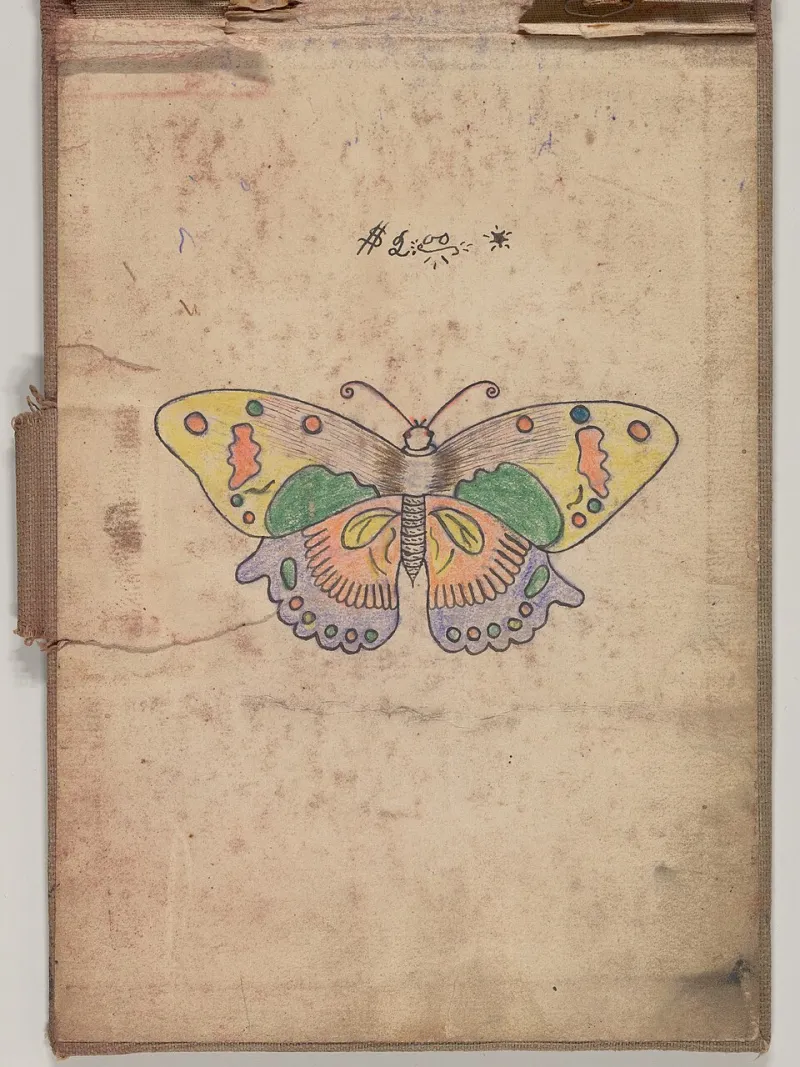
Photo: Creator:Clark & Sellers, CC0, via Wikimedia Commons
A client slides into an artist’s DMs with an AI-generated image: a woman with a snake coiled around her arm, rendered in a style that looks suspiciously like a famous illustrator’s. ‘Can you do this exactly?’ The artist says no. The client is confused. ‘But I’m paying you.’
What you’re actually buying
When you pay for a tattoo, you’re paying for a service — the application of ink — and, usually, a license to wear that design on your body. You are not automatically buying the copyright. Unless there’s a written agreement that assigns rights, the artist typically retains ownership of the design. That means you can wear it, but you can’t reproduce it for profit, sell it as merch, or let someone else tattoo it without permission.
Most clients don’t know this. They think paying for a tattoo equals owning the art. It doesn’t. ‘You’re buying a one-time application, not the right to reproduce,’ says artist and shop owner Dana Whitfield. ‘That distinction matters more than ever.’
The AI reference flood
AI image generators have made it easy to produce a ‘reference’ that is a collage of stolen styles, scraped images, and algorithmic guesswork. Artists can’t always tell where the output came from. Some refuse AI references outright. Others use them as mood boards, then draw something original. The legal gray zone is thick: AI outputs may not be copyrightable, but they can still infringe on the work they were trained on.
‘AI is a plagiarism machine with a nice UI,’ Whitfield says. ‘And clients bring it in like it’s a mood board from Pinterest. It’s not the same thing.’
Copied flash and viral art
Flash — pre-drawn tattoo designs — has its own economy. Some flash artists sell designs with clear licenses. Many don’t. When a tattooer copies another artist’s flash without permission, it’s an ethical violation even if it’s rarely litigated. Viral internet art is similar: a popular illustration gets tattooed thousands of times, often without credit or payment.
Rights holders rarely sue, but DMCA takedowns and public callouts happen. The court of Instagram is fast, and it remembers.
How artists are protecting their work
Watermarks, contracts, design release fees, limited reproductions, and refusal to send high-res stencils are all becoming standard. Some artists register copyrights for signature pieces. Others use client agreements that explicitly prohibit resale or reproduction. ‘The paperwork is the new flash wall,’ Whitfield says.
What clients misunderstand
Asking for an exact copy of another artist’s work is a red flag. Bringing an AI image and demanding a 1:1 translation is another. Inspiration is fine. Duplication is not. If you want a custom design, pay for it. If you want a specific artist’s work, book that artist.
The norms we need in 2026
The tattoo industry has spent decades building aesthetic norms. Now it needs ownership norms. Clear contracts. AI disclosure. Flash licensing. Credit culture. Shop policies that protect both artists and clients. In 2026, the conversation is just starting — and it’s overdue.