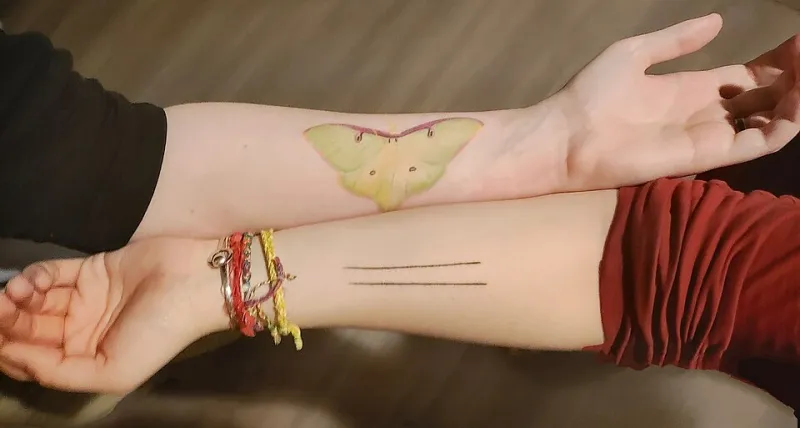
Passport, Please: The Traveling Artists Redrawing the U.S. Tattoo Map
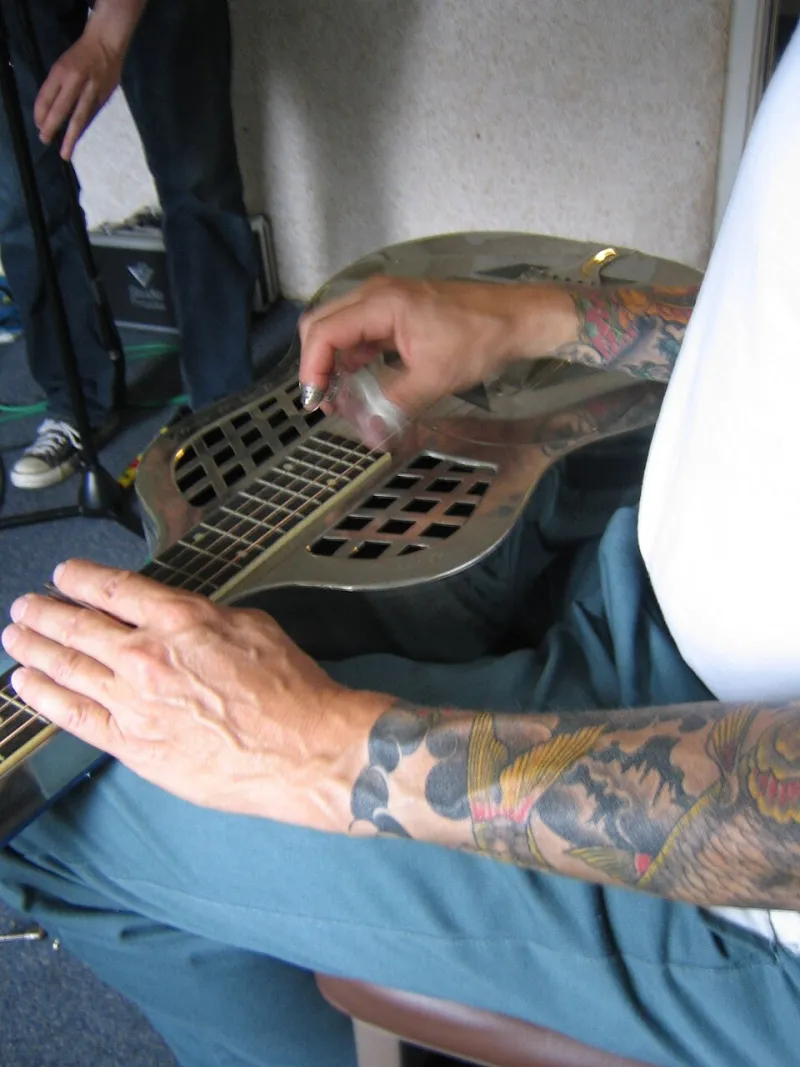
Photo: Ctd 2005 from Portland, USA, CC BY 2.0, via Wikimedia Commons
In March, Denver artist Priya Shah packs her machines into a carry-on and flies to Austin for a two-week guest spot. In June, she does Portland. In October, Nashville. She’s not on tour. She’s working.
How a guest spot actually works
A guest spot is a short-term residency: an artist rents a chair or booth at a shop they don’t own, usually for a week to a month. The host shop handles front-desk logistics, sometimes booking, and the guest artist brings their own clients, style, and social media draw. Rent can be a flat daily rate, a weekly fee, or a percentage split. Some shops do both.
Licensing is the messy part. Tattoo regulation in the U.S. is a patchwork of state and local rules. Depending on where you’re going, a visiting artist may need a temporary license, a health-department permit, or to work under the host shop’s existing license. Some cities require a separate business license. ‘You can’t just show up with a machine and a dream,’ Shah says. ‘You have to do the paperwork.’
What clients should know before booking a visitor
First, verify the artist’s portfolio — especially healed work. Fresh tattoos photograph beautifully; healed ones tell the truth. Ask where they’re licensed and which shop they’re guesting at. Confirm deposit and cancellation policies in writing. And think about healing logistics: getting a large piece right before a flight home is not ideal.
Ask if the artist has a local contact for touch-ups. Ask how they handle aftercare questions after they leave. ‘A guest spot is not a vacation for your tattoo,’ says Marcus Lee, owner of a shop in Chicago that hosts visitors. ‘It’s still a medical-adjacent procedure. Treat it that way.’
Why local shops are leaning in
Host shops get new styles, new clients, and a social-media bump. Local artists get cross-pollination — a chance to watch someone else’s process, ask questions, steal a trick or two (ethically). Clients get access to artists they’d otherwise have to fly to Los Angeles or New York to see.
The benefits aren’t just aesthetic. In smaller markets like Columbus, Kansas City, and Albuquerque, guest spots have become a way to test demand. An artist can try a city for two weeks without signing a lease. ‘It’s a low-risk way to see if a city loves you back,’ Shah says.
The risks and the vetting
Not every guest spot is legit. Deposit scams, unlicensed artists, and shops that treat visitors as a quick cash grab are real. Host shops that do it right vet portfolios, check licenses, and set clear expectations. Clients should too.
The 2026 map
The American tattoo map used to be defined by legendary shops in a handful of cities. In 2026, it’s defined by motion. The artist you want might be in your city next month — or might never come back. Either way, the guest spot economy is rewriting who gets ink, where, and from whom.