Seven Shops That Built the Map: A Pilgrimage Through America's Legendary Studios
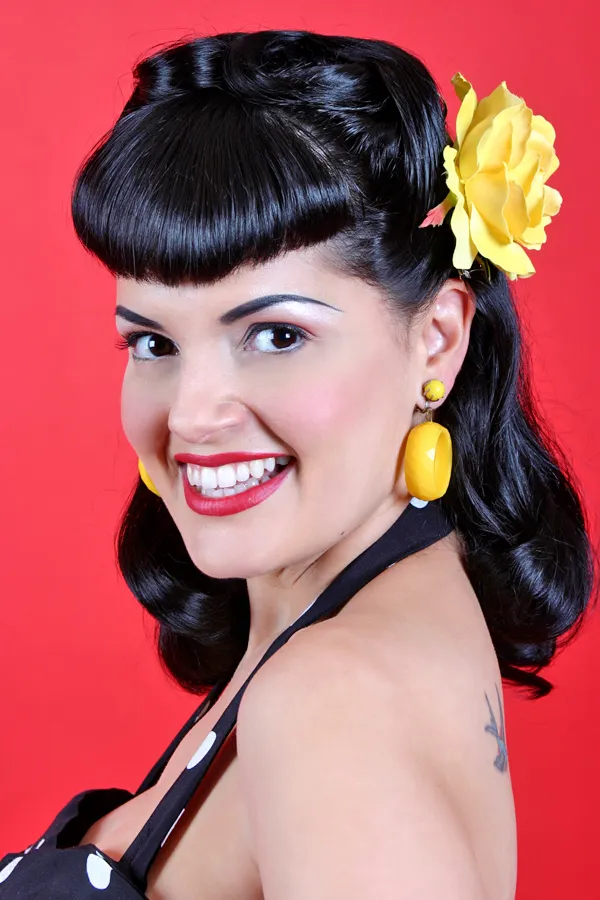
Photo: Cyn Elena, CC BY-SA 2.0, via Wikimedia Commons
Why Geography Still Matters on Skin
Scroll any feed today and tattooing looks the same in Tulsa as it does in Brooklyn. But American tattooing was built the opposite way — shop by shop, city by city, each one developing a signature shaped by its docks, its soldiers, its musicians, and its weather. These seven studios are where those signatures were signed.
1. Philadelphia: The Old Line Holds
Philly's waterfront shops served sailors and soldiers for the better part of a century, and the city's oldest working studios still carry that DNA: bold lines, dense shading, work built to survive salt air and hard living. Philadelphia taught the East Coast that a tattoo is a document — and its veteran artists, many of them second- and third-generation, treat it that way still.
2. New York City: The Underground University
For decades, New York's tattooing survived prohibition-era bans and backroom parlors, emerging in the 1970s and '80s as the place where punk, fine art, and ink collided. Lower Manhattan shops became informal academies where graffiti writers and art school dropouts learned the machine. The city's influence is why American tattooing ever escaped its carnival reputation and entered the gallery.
3. Chicago: The Workingman's Canvas
Chicago built a tradition of big, clean, unapologetic work — American traditional and black-and-gray with Midwestern muscle. Its shops trained generations of artists in the fundamentals at a time when coastal cities were chasing trends, and the city remains a place where a twenty-year-old apprentice can still learn the same way artists did in 1965: by drawing flash until their hands cramp.
4. Los Angeles: Where Chicano Art Became American Art
No regional style has shaped modern tattooing more than the black-and-gray fine line work that grew out of Southern California's Chicano communities. Developed with homemade machines and portrait work honoring family, it moved from barrios to mainstream studios and eventually conquered the world. Every single-needle portrait being done today owes its existence to LA.
5. San Francisco: The Counterculture Studio
The Bay Area's shops absorbed the psychedelic, the sailors' tradition, and the fine art world all at once, producing a style that treated the body as a whole canvas rather than a collection of spots. San Francisco normalized large-scale, custom, artist-driven work — the very idea that a tattoo could be a collaboration rather than a transaction.
6. Miami: Ink in the Tropics
Miami's studios fused Latin American, Caribbean, and traditional American influences into something sun-drenched and singular — bold color, ornamental detail, and a clientele as diverse as any in the country. The city proved that American tattooing wasn't a single tradition but a conversation, and that new voices could join it and change its accent.
7. Portland: The Indie Capital
Portland's shop scene — small, artist-owned, fiercely custom — wrote the playbook for the modern independent studio. Walk-in flash, guest artists, convention culture, sustainable practices: the habits every contemporary shop takes for granted were prototyped in the Pacific Northwest, where a generation of artists decided the customer didn't pick from a wall; the artist and client built something together.
The Pilgrimage
None of these cities owns tattooing anymore, and that's partly the point — the styles they pioneered now live everywhere. But walk into any of these shops and you can still feel the difference: the region in the lines, the history on the walls, the apprentices drawing flash in the back. American tattooing is an old trade with a young face. These seven addresses are where you can still read its diary.