Free Labor, Full Circle: What It Really Costs to Earn a Tattoo Machine
Photo: U.S. Navy photo by Mass Communication Specialist Seaman Apprentice Jesse Monford, Public domain, via Wikimedia Commons
The Job You Pay to Do
Ask most people what a job looks like and they'll describe a paycheck. Ask a tattoo apprentice and they might hand you their bank statement instead. Across the United States, aspiring artists are paying anywhere from $3,000 to $15,000 for the privilege of sweeping floors, answering phones, and — eventually, maybe — touching a machine.
It's an arrangement with no real parallel in American working life. Plumbers don't pay to learn plumbing. Electricians get paid while they train. But tattooing has clung to a mentorship model that predates the electric grid, and in the last decade, it's developed a price tag to match.
How We Got Here
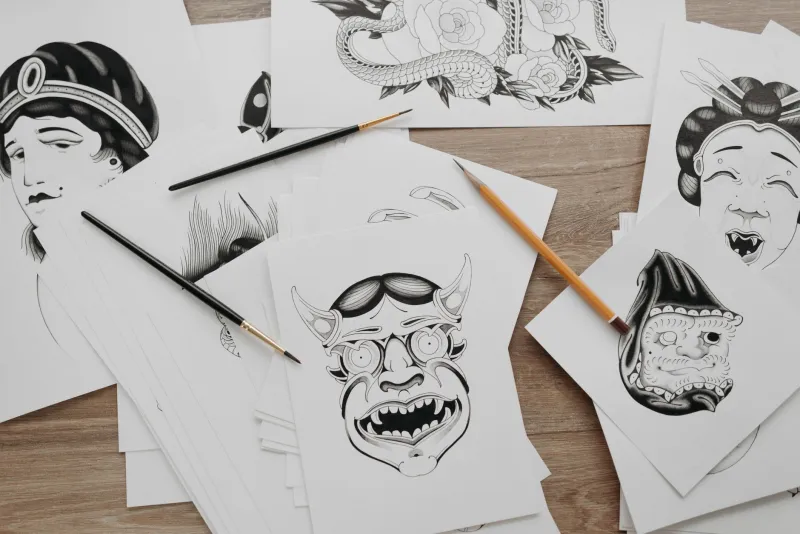
The traditional system made a certain kind of sense. Tattooing was a closed trade, passed down shop to shop, guarded by artists who'd watched too many people maim civilians with mail-order kits. You proved yourself through servitude: cleaning tubes, making needles, drawing flash for years before you were trusted with living skin.
What's changed is the economics. As tattooing went mainstream — reality TV, celebrity artists, a global market estimated in the billions — demand to enter the profession exploded. And where there's demand, someone figures out how to charge admission.
Some established artists now openly advertise apprenticeships with tuition attached. Others keep the old model but add contracts: non-competes that bar apprentices from working within fifty miles, clauses demanding a cut of their earnings for years after they leave, agreements that hand the mentor rights to their designs.
"I signed something I didn't fully understand when I was twenty-three," one artist, now six years into her career in Chicago, told us. "Two years of full-time unpaid work. And then a contract that said if I opened my own shop within five years, he got ten percent. I thought that was just how it worked. So did everyone."
Gatekeeping or Guardrails?
Defenders of the system aren't cartoon villains. They'll tell you — often persuasively — that tattooing is different. You're permanently altering someone's body. The stakes of an untrained artist aren't a bad haircut; they're scarring, infection, and a lifetime of regret on someone else's skin.
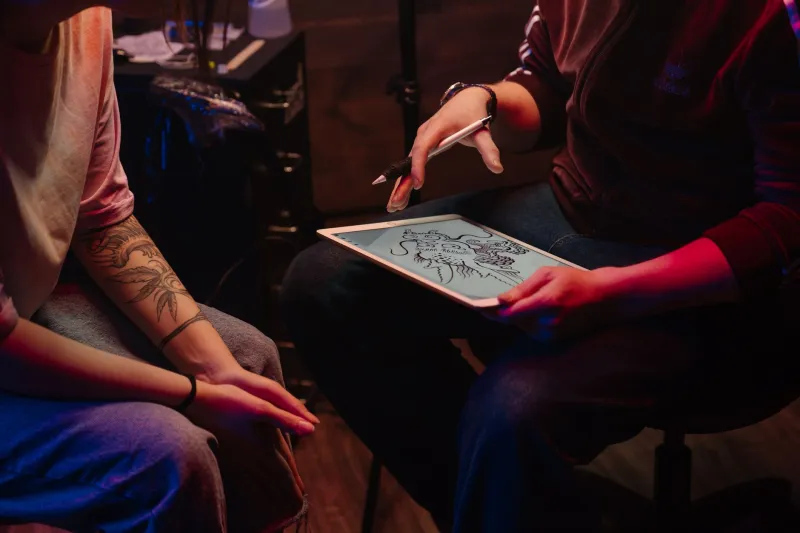
There's truth in that. A serious apprenticeship teaches bloodborne pathogen safety, cross-contamination protocols, machine mechanics, and how to talk a nervous client through a four-hour session. You can't get that from a YouTube weekend.
But the question Tottoos keeps hearing from younger artists is a fair one: why does protecting the craft require unpaid labor and restrictive contracts? Why does the cost of entry fall hardest on people who can't afford to work for free for two years?
The uncomfortable answer is that the apprenticeship has always functioned as a filter — and filters have a way of screening for the wrong things. Wealthy applicants with flexible family support sail through. Parents, people working day jobs, folks from communities without generational ties to the industry, often can't. The result is a profession that talks about diversity while quietly pricing it out.
The New Rules Being Written
Change is coming, mostly from the bottom up. A generation of artists who came up through illustration and fine art — many of them self-taught during the pandemic licensing boom — are questioning the old model publicly, on the same platforms where they book their clients.
Some studios are piloting paid apprenticeships, treating training as an investment rather than a toll. Others are formalizing education: structured curricula, defined hours, contracts a lawyer would actually approve. A few states' health departments, by requiring licensing and bloodborne pathogen certification, have created a floor of formal training that makes the total-servitude model harder to justify.
The old guard isn't wrong that standards matter. But there's a difference between a gate and a wall with a tollbooth. The apprenticeship earned its place in tattoo culture by protecting clients and preserving craft. Whether it keeps that place depends on whether the next generation of artists can afford to hold the machine at all.