Still Wearing Someone You Used to Be: The Emotional Weight of Outgrown Ink
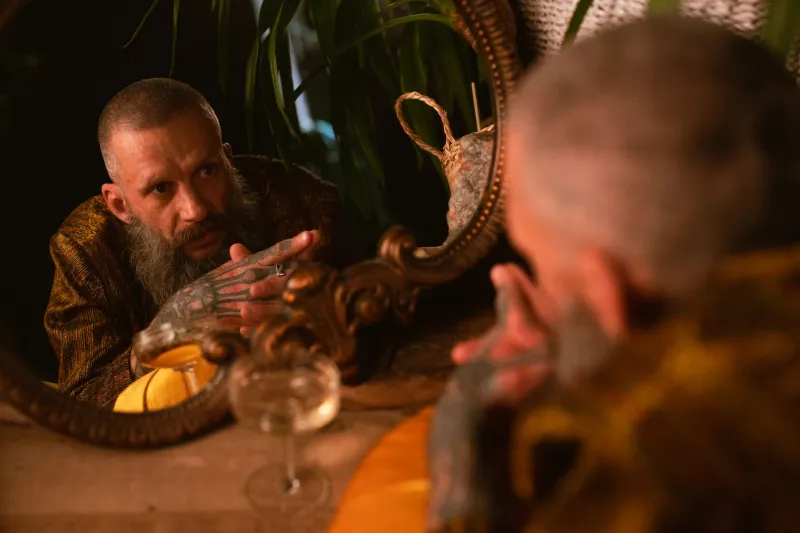
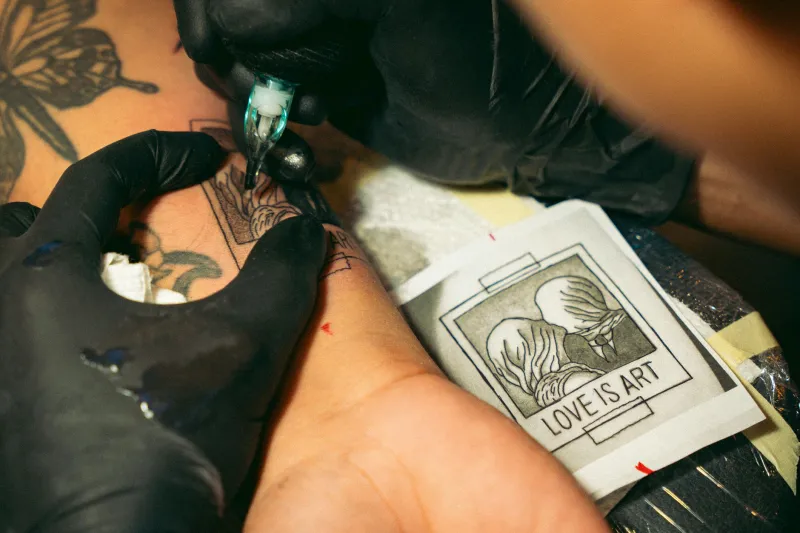
There's a specific kind of quiet that settles over you when you catch a glimpse of an old tattoo in the mirror — not the excited double-take of fresh ink, but something slower. Something that makes you pull your sleeve down just a little faster than you used to.
It's not exactly regret. It's not shame, either. It's more like running into an ex at a grocery store. You don't hate them. You just don't know what to say anymore.
This is the emotional territory a growing number of tattooed Americans are navigating — and it's a lot more common, and a lot more nuanced, than the tattoo industry has historically wanted to talk about.
When the Art Outlives the Story
Tattoos are permanent by design. That's the whole point, right? But human beings are not. We change religions, leave marriages, survive diagnoses, drift away from the people we were at 22. The ink, though — the ink stays.
For some people, that permanence becomes a source of friction. Not the kind that sends you sprinting to a removal clinic, but a low-grade, persistent dissonance. You're not the person who got that tattoo anymore, and yet there it is, showing up to every job interview, every first date, every holiday dinner.
"I got a huge back piece in my late twenties that was all about my identity as an activist," says Mariana, a 38-year-old teacher from Portland, Oregon. "I still care about those things. But the way I care about them has changed so much. The tattoo feels like a manifesto from someone I used to be really loud about being. And now I'm quieter. It doesn't feel like me anymore, but it's not wrong enough to remove."
That middle ground — too meaningful to erase, too distant to fully claim — is where a lot of people are living right now.
The Therapist's Take
Dr. Simone Okafor, a licensed psychotherapist based in Atlanta who frequently works with clients around identity and body image, says she's seen a real uptick in people processing complicated feelings about their tattoos.
"Our bodies are the most intimate canvas we have," she explains. "When something on that canvas stops aligning with who we are, it can trigger a genuine grief response. People sometimes feel embarrassed to bring it up, like it's too trivial. But it's not trivial at all — it's about identity continuity."
Okafor is quick to point out that this isn't the same as hating your tattoo. "There's a difference between 'I wish I never got this' and 'I've changed so much that this no longer fits.' The second one is actually a sign of growth. It means you've evolved. The ink just didn't come with you."
She often encourages clients to sit with the discomfort before making any decisions. "Tattoos are one of the few places where we're forced to reckon with our past selves in a very physical way. That can be uncomfortable, but it can also be incredibly useful if you let it."
The Artists Paying Attention
Tattoo artists are noticing this shift, too. Many studios across the country are reporting that consultations increasingly involve clients who aren't sure what they want to do — they just know something needs to change.
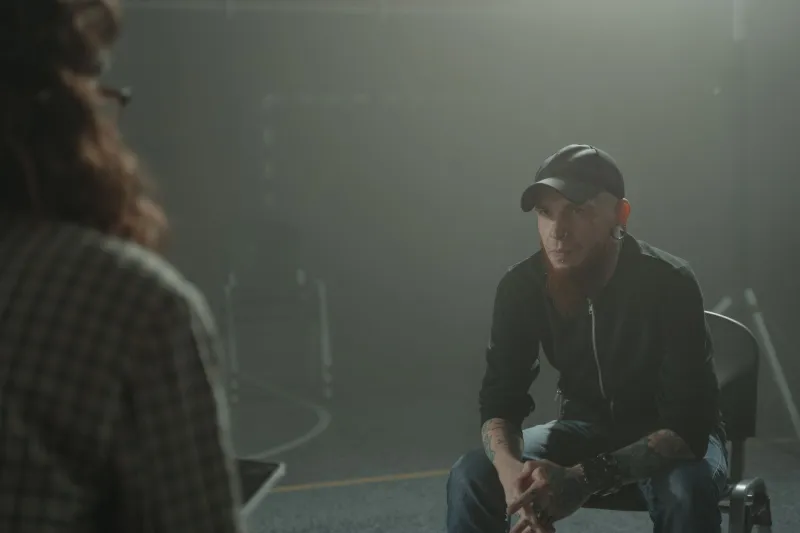
Jasper Vela, a tattooist based in Austin, Texas, with over 15 years in the industry, says the conversations happening in his chair have gotten a lot more layered.
"People come in and they'll show me something they've had for a decade and just say, 'I don't know what to do with this.' They're not always asking for a cover-up. Sometimes they just need to talk it through with someone who understands the medium."
Vela has started offering what he informally calls "ink consultations" — longer, unpressured conversations about a client's relationship with their existing work before any new booking is made. "I think artists have a responsibility here. We put this stuff on people's bodies. We should be part of the conversation when it gets complicated."
Beyond the Laser: What Else Is Out There
For people who aren't ready to go the removal route — or simply don't want to — the options have expanded significantly in recent years.
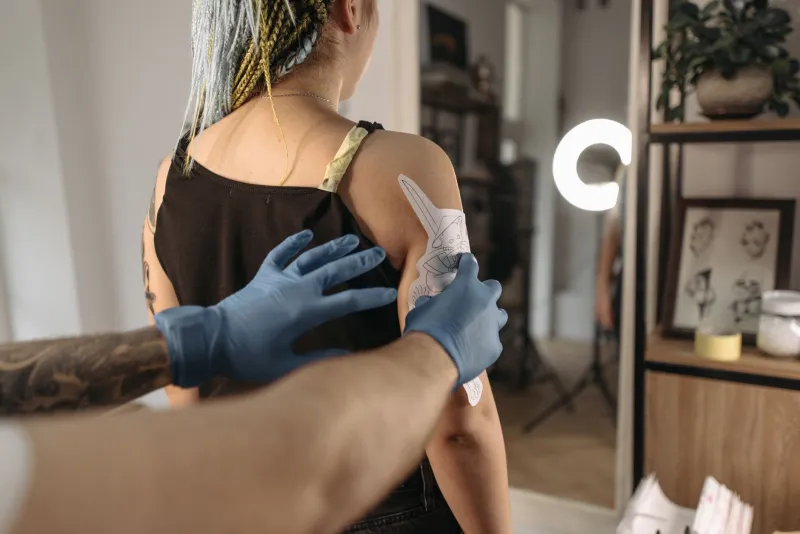
Reworking and evolution pieces are gaining serious traction. Rather than covering a tattoo with something entirely new, some artists specialize in evolving existing work — adding layers, extending designs, shifting the visual context so the original piece becomes part of something larger. Think of it less as erasing and more as editing.
Symbolic additions are another approach. A tattoo that once meant one thing can sometimes be given new meaning through carefully placed additions — a date, a word, a small element that reframes the whole piece. It's collaborative storytelling between the client, their history, and an artist willing to honor both.
Temporary acceptance rituals might sound a little woo-woo, but therapists and clients alike report that finding a personal framework for the tattoo — acknowledging what it meant, what it represents now, and why it's okay to keep it without fully claiming it — can significantly ease the emotional friction.
And then there's the most underrated option of all: doing nothing, on purpose. Choosing to keep the tattoo as a marker of where you've been, without requiring it to represent where you are, is a valid and increasingly popular stance. It's less about resignation and more about making peace with the full arc of who you are.
The Identity Limbo Is Real — And It's Worth Talking About
What's striking about this conversation is how rarely it gets had openly. Tattoo culture, for all its progress, still tends to frame ink through the lens of pride and permanence. Admitting that something you chose to put on your body no longer resonates can feel like a betrayal — of the art, of the artist, of the person you were.
But that framing is changing. Slowly, in studio conversations and therapy sessions and late-night group chats, people are giving themselves permission to hold complexity. To say: I got this tattoo, it mattered, it doesn't anymore, and that's okay.
"Your body is allowed to be a record of your whole life, not just the version of yourself you want to present right now," says Okafor. "That's not a failure of self-knowledge. That's just being human."
Mariana, the teacher from Portland, hasn't touched her back piece. She's not sure she ever will. But she's stopped pulling her shirt up to hide it at the beach.
"I'm starting to think of it as a chapter," she says. "Not the whole book. Just a chapter."