Inked for Them, Stuck with It: The Complicated Truth About Tattoos Made for Someone Else
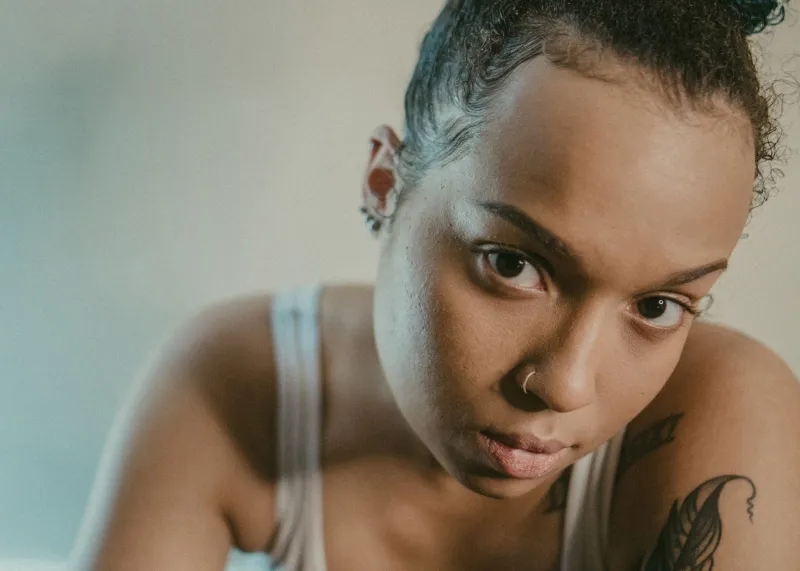
There's a particular kind of quiet that settles over a tattoo studio when someone rolls up their sleeve and says, "I need to do something about this." Not because the linework is bad. Not because the color has faded. But because the person the tattoo was made for — a partner, a parent, a best friend who's no longer in the picture — is gone, and the ink is still very much there.
It's one of the most common conversations happening in studios across the country right now, and it's one of the least talked about publicly. Relational tattoos — pieces created specifically to honor, celebrate, or memorialize another person — make up a staggering portion of the work artists do every year. And a significant chunk of those pieces eventually become, in the words of one Chicago-based artist, "emotional loose ends on someone's body."
Why We Do It in the First Place
There's nothing irrational about wanting to permanently mark a meaningful relationship. Humans have been doing it for thousands of years. In the US, the tradition has evolved from simple name tattoos and matching hearts into elaborate portrait work, coordinated couples' pieces, memorial sleeves for lost parents, and friendship tattoos designed to be worn like a visual handshake between two people.
Dr. Simone Rafferty, a licensed clinical psychologist based in Austin who works with clients navigating identity and grief, says the impulse makes complete emotional sense. "When we're in the middle of a powerful bond — whether that's romantic love, a close friendship, or the grief of losing someone — we want to make it real. Permanent. Tattoos offer this sense of anchoring something that feels too big to just carry internally."
The problem, she notes, is that the tattoo is anchored to a moment. The relationship keeps moving.
"I've worked with clients who got matching tattoos with a sibling they've since become estranged from. People who got a partner's name tattooed during what felt like the relationship of their life. People who memorialized a parent and then, through therapy, had to reckon with a more complicated grief than they expected. The tattoo doesn't update itself to reflect where you are now."
The Piece That Stays When Everything Else Leaves
For Maya Chen, a 34-year-old graphic designer in Portland, the tattoo was a small, intricate compass on her left forearm — chosen with her ex-fiancé because they both loved travel and had promised each other a life of adventure. They designed it together. They got it together. They broke off the engagement fourteen months later.
"For the first year after, I wore long sleeves constantly," she says. "Not because I was ashamed, exactly. It was more like... every time I saw it, I had to relive the whole thing. The hope of it. And then the loss of it."
Maya eventually went back to the artist who'd done the original work and asked about reworking the piece. What she didn't expect was how emotional that conversation would be. "She asked me what the compass meant to me — not to us, not to the relationship. Just me. And I realized I'd never actually thought about that."
That question, it turns out, is exactly where the redesign process begins.
What Artists Are Actually Doing With These Pieces
Jordan Vásquez, a tattoo artist in Denver with nearly a decade of experience, estimates that somewhere between 20 and 30 percent of their rework consultations involve pieces tied to relationships. "It used to be almost exclusively name cover-ups," Jordan says. "Now it's way more nuanced. People come in with portrait tattoos of exes. Matching pieces where the other person has since passed away and the survivor isn't sure if keeping it feels like honoring them or being haunted by them. Couples' tattoos where the couple split but the person still loves the design."
The approach, Jordan explains, is never one-size-fits-all. "Sometimes the right move is a full cover-up or a rework into something completely new. But honestly? A lot of the time, people don't actually want to erase it. They want to reclaim it. They want to find a way to make it theirs again."
That might mean incorporating the existing design into a larger piece that shifts the meaning. It might mean adding an element that represents growth or transition. In some cases, it means leaving the tattoo exactly as it is — but changing how the person relates to it.
"I had a client who came in absolutely certain she wanted her memorial tattoo for her mom completely covered," Jordan recalls. "We talked for almost two hours. By the end, she was crying, and she decided to keep it exactly the same. She just needed to process out loud. Sometimes the studio is where that happens."
The Psychology of Keeping What Hurts
Dr. Rafferty points out that the decision to keep, alter, or cover a relational tattoo is rarely just aesthetic — it's deeply tied to how someone is processing the relationship itself. "I often see clients who want to rush into a cover-up as a way of skipping the grief. Like if they can just make the visual go away, they won't have to feel the loss anymore. That's worth examining before you book the appointment."
On the flip side, she says, there are people who hold onto painful tattoos as a form of self-punishment — a way of keeping themselves tethered to guilt or regret. "Neither extreme is inherently wrong, but both are worth being conscious of."
The most meaningful outcomes, in her experience, tend to come when someone can sit with the question: What do I actually want this piece to mean going forward? Not what did it mean. Not what should it mean. What do I want.
Reclaiming the Skin
Back in Portland, Maya ultimately kept her compass — but added to it. A small wildflower now grows from the base of the design, something she chose entirely for herself, with no story attached to anyone else. "It's still the same compass," she says. "But now it's mine. It points wherever I'm going, not wherever we were planning to go together."
That shift — from ours to mine — is at the heart of what so many people are navigating when they walk into a studio with a relational tattoo they're not sure what to do with. The ink didn't lie when it was made. It told the truth of that moment, that bond, that version of you.
The question is just what truth you want it to tell now.
If you're sitting with a piece that feels like unfinished business, you're far from alone. Talk to your artist. Take your time. The needle can wait — and the right conversation might be worth more than any cover-up.